
 Oshiete!
 Berita
  Masjid
 Info Kurs
 Media Jepang
Japan to mull air defense missile export amid push to ease transfer rules
MAINICHI
| 14 jam yang lalu
4 0 0
0
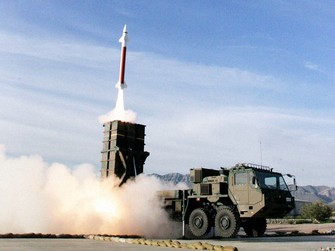
TOKYO (Kyodo) -- Japan has held informal talks with the Philippines on the possible export of a surface-to-air missile system as the government led by Prime Minister Sanae Takaichi moves to further relax the country's restrictions on defense equipment transfer, sources familiar with the matter said Sunday.
A substantive study on exporting the Japanese-developed Type-03 Medium-Range Surface-to-Air Missile is expected to start once the government formally decides to scrap a rule limiting defense equipment exports to five noncombat purposes, such as rescue and surveillance.
The removal of the five-category limit has been among a set of pledges the ruling Liberal Democratic Party agreed to work on with the Japan Innovation Party in forming a coalition, which paved the way for LDP chief Takaichi to become prime minister in late October. They promised to realize it next year.
No legal revisions are required to make the change. Instead, a decision should be made at the National Security Council meeting, chaired by Takaichi, to revise the implementation guidelines for Japan's defense equipment and technology principles.
According to the sources, the Japanese and Philippine governments have exchanged views on the potential missile export, with the Philippine side conveying its interest in acquiring the system for its military.
Dubbed Chu-SAM, the system, which can shoot down aircraft and cruise missiles, is currently in service with the Ground Self-Defense Force.
An upgraded version capable of intercepting ballistic missiles and hypersonic glide vehicles is under development, with its completion targeted for fiscal 2028.
While upholding the war-renouncing Constitution, Japan has been opening up to arms exports under certain conditions after removing its arms embargo policy in 2014, in a bid to ramp up security ties with like-minded countries and foster related domestic industries through weapons and ammunition exports.
Following the easing of restrictions regarding licensed products in 2023, Japan for the first time exported domestically produced Patriot surface-to-air missile interceptors to its security ally, the United States.
Under the current implementation guidelines, defense equipment transfer is restricted to areas pertaining to rescue, transport, warning, surveillance and minesweeping.
Further easing the restrictions to allow exports of missiles that are lethal weapons -- and without sufficient parliamentary involvement -- may trigger concerns among the public who may see the move as contrary to the country's pacifism.
Several national security policy shifts are being contemplated under Takaichi, known as a staunch conservative and security hawk, to respond to the severe security environment in the region.
Some LDP members speculate that having parted with the longstanding coalition ally, the Komeito party, which takes a dovish stance on defense issues, and instead teaming up with the JIP, which is pursuing conservative agendas in security issues, would mean "no one will put the brake on" the policy shift.
Japan has been deepening its security ties with the Philippines in the face of China's maritime assertiveness in the region.
The two countries have also discussed Japan's export of retired Maritime Self-Defense Force destroyers to the Philippines as part of their cooperation.
komentar
Jadi yg pertama suka

Belum Jadi Warga?
Daftar yuk!