
 Oshiete!
 Berita
  Masjid
 Info Kurs
 Media Jepang
Living in Japan: An exchange student's view -- Beyond the velocity of youth (Pt. 17)
MAINICHI
| Kemarin, 09:00
4 0 0
0
The 0.001-second war vs. the space to breathe
Every semester, computer labs and "PC bangs" -- a type of internet cafe -- near Korean universities turn into absolute battlegrounds. Monitors display specialized digital clocks ticking down to the millisecond, and students' fingers hover tremblingly over mice. At exactly 10 a.m., a chaotic symphony of clicking erupts. Missing a single class could derail a whole semester's schedule, or even one's post-graduation plans. For Korean students, this click war is the high-stakes opening of the academic race. My life in Korea was a continuous sprint toward efficiency and optimal outputs. However, stepping onto the campus of Waseda University as an exchange student completely disrupted this familiar velocity, offering a refreshing shift in perspective.
Designed for growth: academic intensity and collective energy
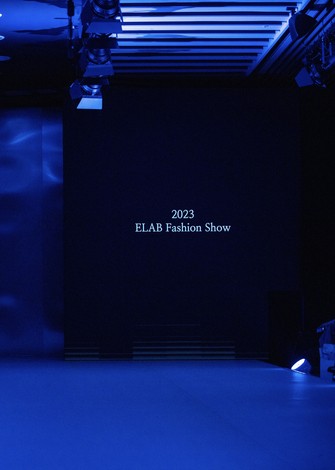
As a design student, I tend to analyze my surroundings through the framework of how spaces and structures dictate human behavior. In Korea, university life feels like a layout meticulously optimized for rapid growth and milestone achievements. The campus ecosystem is built to maximize career readiness, pushing students to channel an overwhelming amount of energy into grades, scholarships, and portfolios rather than club activities. Of course, a vibrant collective culture coexists; students let off steam at massive beginning-and-end-of-semester parties, or wait in line for hours to see headliners at university festivals wearing their matching university jackets, known as "gwajam." Yet, beneath the surface always flows an intense drive to make every second count. This immersive environment gives youth a powerful momentum and the technical drive to push forward.
Designed for harmony: the canvas of Japanese circles
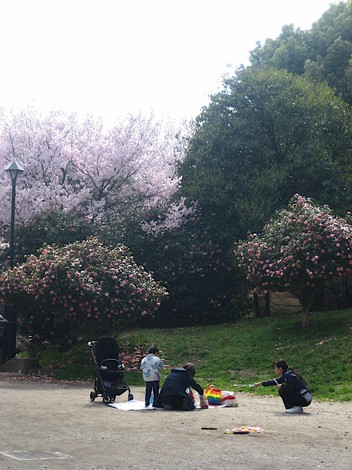
In contrast, the social atmosphere on the Japanese campus feels like a masterclass in the aesthetic concept of "ma" (space or pauses). Unlike the high-pressure mold of Korean academic life, the university experience here does not confine students to a single track. Instead, the focus naturally shifts toward "circles" (student groups that organize extracurricular activities) and "bukatsu" (club activities). Joining a Korea-Japan exchange club became my key to understanding the youth here. My peers dedicated hours not to resume-building certificates, but to organizing club events and meticulously cultivating their lifelong hobbies. Witnessing them prioritize genuine human connections and the romance of the journey, rather than just the final destination, was a profound and refreshing revelation.
The landscape of the night: fluorescent glow vs. casual ledgers
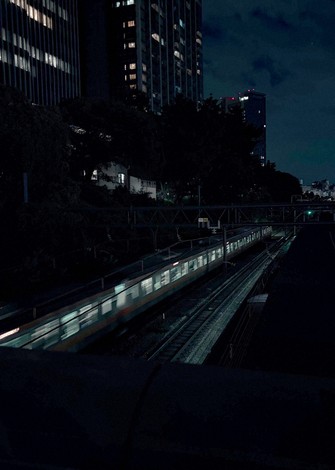
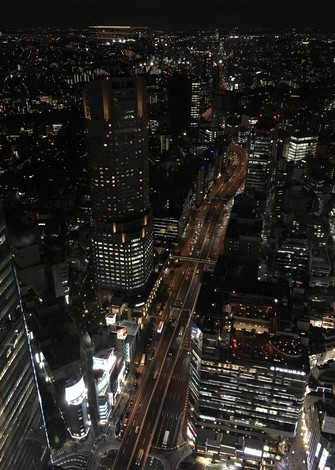
This cultural divergence extends beyond the daytime campus and manifests visually after sundown. In Seoul, university districts glow with the harsh fluorescent lights of 24-hour cafes, packed with students pulling all-nighters fueled by caffeine. In Tokyo, the night softens into a much gentler rhythm. My own days here are not filled with grand, dramatic events. Like any ordinary student, I simply organize my diary a few times a month when something special happens, and spend my weekends browsing boutiques in the Omotesando area or visiting art museums to recharge my design sensibilities. Yet, looking at my spending ledger reveals a fascinating contrast. If my expenses in Korea were the scars of survival from a relentless academic race, my Tokyo receipts are a gentle archive of daily life, filled with subtle cultural excursions and the warmth shared with friends.
The meticulous grid: learning the virtues of a process-oriented system
This fundamental difference in pacing became most tangible during classroom collaborations. In Korea's result-oriented academic culture, group work demands instant role-delegation and a swift, efficient path to the final output. In contrast, team projects at my Japanese university were strictly process-oriented, moving forward with an almost dizzying level of deliberation. To settle on a single topic, every member's opinion was meticulously calibrated. We then designed questionnaires and conducted field interviews to gather data step-by-step before finally drawing a conclusion. While this sluggish tempo was initially frustrating, my design lens helped me reframe it: it was exactly like micro-adjusting grids and kerning for a flawless final layout. In Japan's commitment to process and interpersonal harmony over sheer speed, I learned the art of letting ideas mature gracefully.
A synthesized perspective for the drafting table of life
My time in Tokyo has fundamentally reshaped my creative philosophy and expanded my worldview. Korea taught me the power of dynamic movement, bold execution and collective energy -- essential tools for creating impactful, forward-thinking designs. On the other hand, Japan has grounded me, teaching me the value of subtle details, empathetic distance, and the beauty of a well-paced life. These two cultures are not competing layout options; they are complementary design elements. Armed with the intense passion of Korean campus life and the thoughtful harmony of my Japanese experience, I am ready to return to the drafting table of my life. There, I will design a future that is both vibrant and beautifully balanced.
(By Cho Hyewon)
Profile:

Cho Hyewon is a design major from South Korea, currently studying as an exchange student at Waseda University in Tokyo. She is deeply interested in observing how cultural values shape daily lifestyles, spaces, and human interactions, aspiring to integrate cross-cultural insights into her future global design work.
komentar
Jadi yg pertama suka

Belum Jadi Warga?
Daftar yuk!