
 Oshiete!
 Berita
  Masjid
 Info Kurs
 Media Jepang
'I was saved by the system': Confidential birth at Japan hospital protected teen, her child
MAINICHI
| 4 jam yang lalu
8 0 0
0
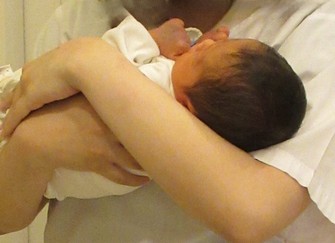
TOKYO -- "I think I'm probably six months pregnant, judging from when I had my last period."
One day, this message arrived via the Line counseling account run by Jikei Hospital in the city of Kumamoto. Jikei Hospital offers confidential births.
The sender was Haruka (a pseudonym), a minor in her late teens living in east Japan's Kanto region. By the time a store-bought test showed she was pregnant, it was too late to have an abortion, and she had lost contact with her partner.
After graduating from junior high school, she left home and worked at a restaurant with a dormitory. Her parents had divorced when she was young. She was taken in by her father, but he became violent when he was in a bad mood. Her mother had also coldly told her, "If you cause trouble, I'll put you in a facility."
If she told her parents she was pregnant, she would be abused. She did not know what they might do to her or her unborn child. Her Line messages reflected intense fear.
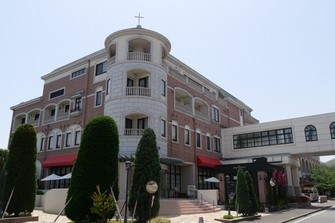
With no one to turn to, Haruka "just kept searching" online, and a generative AI tool recommended a confidential birth at Jikei Hospital. In a typical birth, a hospital contacts the family and notifies administrative authorities of the parents' identities, whereas in confidential childbirth, these identities are revealed only to hospital personnel in charge. She told the hospital staff that she wanted to have her baby under this system, and she boarded a bullet train for Kumamoto.
Dangerous situation had she given birth alone
At the hospital, she was diagnosed as being at risk of premature labor and needed bed rest. The hospital had reservations about accepting a minor for a confidential birth, but Haruka appeared to have shut herself off, and when asked about her parents, she began scratching her arms, becoming visibly agitated. Hospital director Takeshi Hasuda decided to accept her, judging that "if we contacted her parents, the disadvantages for her and the baby would be enormous."
During labor, the baby's heart rate dropped, and vacuum extraction was performed. If she had delivered alone, it would have been "a dangerous case," possibly with the baby's life in the balance, Hasuda said.
Two days after giving birth, Haruka said for the first time, "I want to see the baby." She got out of bed and held the child, tears in her eyes, and murmured, "So cute. I want to keep looking forever."
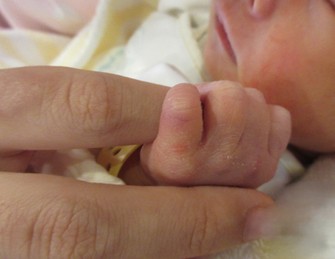
But she had no financial leeway and no family she could rely on. "For the baby's sake, I think it would be better for someone else to raise the child," she thought, and ultimately decided to entrust the child to others. Procedures then began for a special adoption.
At the very least, she wanted to express gratitude that the baby had been born, and her sorrow that she could not raise the child, so she left behind a letter for the baby. After leaving the hospital, Haruka told the staff member in charge, "I was saved by the confidential birth system, and by everyone at this hospital."
Since Jikei Hospital introduced confidential births in December 2019, about 70 children have been born through the system. But the legal framework surrounding confidential births remains undeveloped, and front-line workers are calling for greater support.
(Japanese original by Saori Moriguchi, Political News Department)
komentar
Jadi yg pertama suka

Belum Jadi Warga?
Daftar yuk!