
 Oshiete!
 Berita
  Masjid
 Info Kurs
 Media Jepang
Economy ministry data show 1% food tax from April 2027 feasible
MAINICHI
| Kemarin, 10:30
4 0 0
0
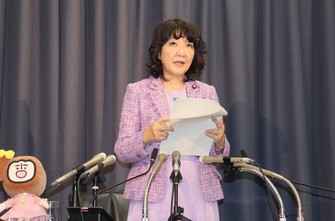
TOKYO (Kyodo) -- The Japanese economy ministry on Wednesday released data that show the government's reported plan to cut the consumption tax on food products to 1 percent from April 2027 is feasible, with technical preparations estimated to take about five to six months following an official announcement of the rate reduction.
The Ministry of Economy, Trade and Industry said in its briefing materials at a cross-party national council on social security that reducing the rate from the current 8 percent to zero would require around 10 to 12 months, due to more extensive updating work for retailers' cash register systems.
The government of Prime Minister Sanae Takaichi, who promised to cut the consumption tax on food and beverages to zero for two years in the general election in February, is expected to make a final decision as early as late this month, according to sources close to the matter.
After the national council's meeting, Itsunori Onodera, tax policy chief of the ruling Liberal Democratic Party led by Takaichi, told reporters that many parties have shown support for cutting the consumption tax on food.
Changing the tax rate would place a heavy burden on retailers as they would need to update their cash register systems. The ministry conducted surveys by hearing from businesses that maintain those systems.
As many cash registers are not designed to handle a zero tax rate and zero cannot be entered in some of their systems, revising them would need more time, the ministry said.
The government has been considering cutting the consumption tax rate on food for two years from April 1, 2027, likely to 1 percent rather than zero, according to the sources.
In a bid to help households cope with prolonged inflation, Takaichi voiced her intention to eliminate the consumption tax on food and beverages by the end of March 2027 during the campaign for the House of Representatives election held on Feb. 8.
A plan to provide subsidies to effectively return about 600 billion yen ($3.8 billion) annually, equivalent to the expected revenue from 1 percent taxation, has emerged as an option to fulfil the zero-consumption tax campaign pledge, the sources have said.
In the election, the ruling camp of the LDP and its junior partner, the Japan Innovation Party, won a landslide victory, gaining more than three-quarters of the chamber's 465 seats.
komentar
Jadi yg pertama suka

Belum Jadi Warga?
Daftar yuk!