
 Oshiete!
 Berita
  Masjid
 Info Kurs
 Media Jepang
Western Japan city adopts year-round casual dress code for employees
MAINICHI
| Juli 16, 2026
26 0 0
0
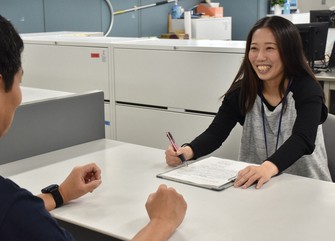
YAO, Osaka -- The Yao Municipal Government in Osaka Prefecture has introduced a year-round casual dress policy for its employees from fiscal 2026, allowing T-shirts and sneakers as long as staff maintain a clean and professional appearance.
Determining what constitutes appropriate attire can be challenging. To help guide employees, the city created its own digital "Style Book," an electronic guide featuring younger staff members modeling casual outfits. The initiative encourages more relaxed workplace attire, but it appears there is a pressing reason behind the policy's introduction.
On the first floor of city hall, where service counters such as the Civic Department and the Disability Welfare Section are located, employees smiling and wearing casual T-shirts serve the many visiting citizens.
According to the municipal government, the initiative was launched as part of a program aimed at making the workplace more attractive. Sleeveless tops with a lot of skin exposure, flashy top designs and shorts are still not allowed, but some previously banned clothing items are now permitted. The city says it has received no complaints from residents, despite outfits that overturn the traditionally formal image of civil servants. A female employee in her 30s who works at a public service counter welcomed the change, saying, "It's easier to adjust body temperature and move around comfortably. My work efficiency has improved as well."
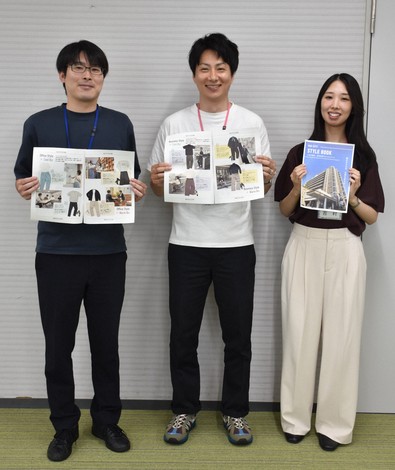
Even with relaxed dress standards, however, employees must still adhere to guidelines regarding color and materials, and avoid clothing that may make others uncomfortable, making judgment difficult. To help employees when they are unsure, a young employee in the personnel section proposed creating a digital booklet.
Work on it began late last year and was completed in March. The entire project, including the photography and layout, was produced by city employees themselves. Employees in their 20s to 40s were asked to serve as models, and the booklet includes photos taken around city hall of them wearing their own clothes, as well as examples of outfit coordination. It was distributed to all departments by email and was well received by employees, with comments such as, "It's stylish like a magazine," and "It's easy to understand."
Behind the move toward casual attire lies concerns about staffing shortages caused by difficulties in recruiting personnel. According to the city, in recent years some new graduates have declined job offers after being hired or resigned shortly after starting work. The city hopes that a more relaxed dress code might become one factor in how people choose a workplace.
As of mid-July, about 3 1/2 months after the policy was introduced, the adoption rate stood at about 30%. The rate is particularly low among those working at service counters who interact with residents. Many of these staff members continue to wear more traditional work attire such as dress shirts and blouses. The city's personnel section said, "Some employees may still be hesitant, especially out of consideration for the public." While saying it cannot set specific adoption targets as certain duties do not allow casual attire, it added, "We want to continue promoting the initiative so that it spreads as much as possible."
(Japanese original by Akiko Hirose, Osaka City News Department)
komentar
Jadi yg pertama suka

Belum Jadi Warga?
Daftar yuk!