
 Oshiete!
 Berita
  Masjid
 Info Kurs
 Media Jepang
Living in Japan -- an exchange student's view: New lenses for a new country (Pt. 18)
MAINICHI
| 5 jam yang lalu
11 0 0
0
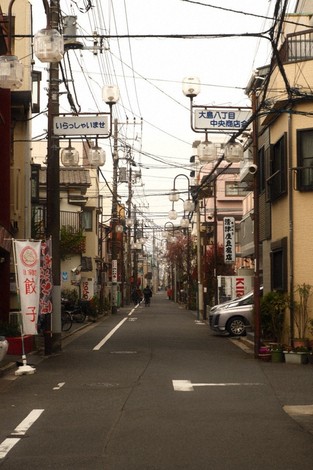
Japan first caught my interest during high school. At that time, as I was discovering and shaping my identity as a teenager, I became engrossed in anime. It was a portal to escape from the ordinary life of a young boy growing up in a small Italian town where few people shared my interests.
This in turn became a catalyst sparking interest in Japan's culture and subcultures, and that is what led me to enroll in the foreign languages and literature course at the University of Bergamo, under the Japanese curriculum. As my years in university passed, I managed to delve even deeper into Japan's literature, history and cultural contexts while learning the language. Eventually, my idealized image of Japan -- mainly shaped by anime and pop culture -- vanished, leaving space for a more down-to-earth and unbiased view of the country. This process reached its pinnacle during my master's degree at Ca' Foscari University of Venice, in the Languages and Civilizations of East Asia course, where I had the chance to further deepen my studies and range of knowledge. A pivotal element was the attention on Asian stereotypes in Europe -- something quite difficult to notice while living inside that very environment.
I was never accepted for any intercultural exchange project or internships in Japan while I was in university. Despite my interest in Japan not being as lively as it was at the beginning, this was still something that caused discomfort. It seemed a tragedy at first, not being able to go to the country I was learning about at the peak of my interest, but in hindsight, that time allowed my perspective to evolve and change.
After my graduation from Ca' Foscari, I decided to go to Tokyo for a semester, enrolling in a language school through an agency called GoGo Nihon! to further improve my language skill and to put into practice what I had already learnt over the past five years. I was quite confident with my reading and writing skills, but when it came to speaking, I still had a long way to go. It's quite frustrating studying a language for five years, coming to the place where they speak that language, and struggling to ask for information at the airport. It felt rather debilitating at first.
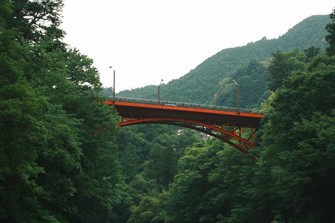
However, as I was the only non-Asian person in class, Japanese was often the most efficient way to communicate, and practicing speaking both with professors and classmates, as well as in everyday life, turned out be a major point in my favor. After just three months, my Japanese had improved at an astonishing speed. Now, for the first time, I can confidently say that I know the language, despite there always being something new to learn. The main struggle remains casual speech, probably because I didn't get many chances to get involved in long conversations. Nonetheless, I would recommend this kind of experience to anyone who is looking to improve their Japanese or even to those of you who are starting from scratch. It can do wonders.
As I said before, with time, my interest in anime and my idealized image of Japan gradually faded away, leaving mental space for new interests that now shape my daily life: coffee, cycling and photography. I had already started moving into these worlds in my hometown in Italy, but I was able to find and experience them in Tokyo as well, and thanks to these interests, I managed to delve deeper into the city's life, staying away from tourist traps and cliches.
Bikes and coffee
My university roommate and I always used to say, "We do bikes and coffee." For us, that meant skipping competitions or races in favor of relaxed bike rides that usually ended with a coffee. Over the years, I started to get into coffee and bicycles more seriously, respectively getting to know different brewing techniques and bean varieties, and even starting to build bikes from spare parts.
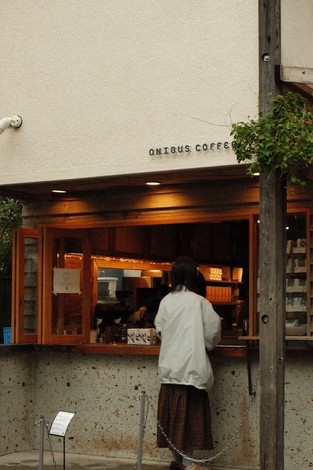
If you are a coffee enthusiast, Tokyo is definitely one of the cities I would recommend. While the Japanese specialty coffee scene is quite different from the European one -- the former ranging from dark roasts to light roasts and the latter focusing almost exclusively on light roasts -- it could be a nice chance to try something new and widen your view on the world of specialty coffee.
While there's an almost frightening number of cafes, in my opinion, scouting out and carefully selecting your cafes is really worth its time. The places that focus on single-origin coffee are still aplenty, and at those places you can mainly find light roasted coffee, hand filtered with expertise. Below are some of the places I would recommend.
Philocoffea, in Omotesando: Home of a former world champion barista, this cafe offers a wide variety of beans, from the most common to the more sophisticated. You may also have the chance to meet Rikuto Tanaka, a kind and skilled barista and content creator who brings the world of coffee brewing to everyone. I got the chance to attend events and workshops held by Tanaka-san and they have been enlightening, both in terms of coffee knowledge and challenging my Japanese listening skills. The cafe also looks like an art gallery -- go and see for yourself.
Light Up Coffee, in Shimokitazawa: This is a cozy coffee corner, home of a pioneer of the specialty coffee scene in Tokyo. It has a friendly atmosphere, a nice variety of beans, and sits away from the crowded areas. It is the perfect place if you want to grab an easy cup and maybe have a chat with the friendly baristas.
Glitch, in Jinbocho: If you're looking for state-of-the-art coffee and rare flavor notes, this is the place to go. The interior design is astonishing, mainly focusing on dark toned wood, resembling an ancient royal mansion. Here you can find delicious coffee beans, roasted and processed in-house, with flavor notes that range from flowers, to exotic fruit like melon or kiwifruit, up until bubble gum. I was startled.
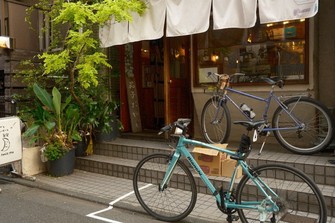
I usually explore Tokyo's cafes by bicycle. Tokyo gave me the first chance in my life to move and commute entirely by bicycle, without using a car, motorcycle or public transport. Despite the capital being extremely dense and full of cars, cycling feels quite safe, at least compared to my home country. With a little bit of confidence, you can ride freely. Prepare to ride for a long time, as Tokyo is massive and there are a considerable number of traffic lights you need to stop at. But it's definitely worth the effort. By the end of your stay, you will feel like you know the actual city, and not just its hotspots while you travel quickly between them underground.
If you're into bicycles on a deeper level, definitely check out the Blue Lug chain, probably the most famous shop in the world when it comes to bicycle culture. The bike community is extremely welcoming, and you will definitely find someone to talk with about bikes or even go for a ride. You can get your bike personalized to the last bolt and serviced by its skilled mechanics, and I consider it to be one of Tokyo's best shops.
The bike community gave me another precious chance to delve deeper into Tokyo's life, participating in group rides and making new friends. I probably wouldn't have enjoyed my stay here in Tokyo if I hadn't had my bicycle. I also went for rides with people from all over the globe, gathering here in Tokyo -- a priceless experience that left me with good memories, new perspectives and new friends.
Get yourself a bike already -- you're missing out, I'm telling you!
Different city, different lenses
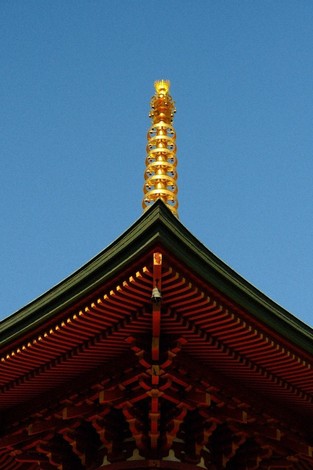
The concept of changing mental schemes and the lenses through which you see a city or a culture resonates particularly with photography. Tokyo is profoundly different from any city I've been to, and this makes me want to take a lot of photographs everywhere, from the most famous temple to the walkway of an old lady's house decorated with potted plants.
This is still definitely the biased view of a European person, and I'm pretty sure that for a Japanese person, seeing traditional neighborhoods in Tokyo is the same as seeing Venice for an Italian that lived there their entire life. But nonetheless, when it comes to photography, you can find beauty everywhere, from a walkway in Venice to the tallest shrine in Tokyo. Beauty is everywhere and there's no better beauty than others. Let yourself be amazed.
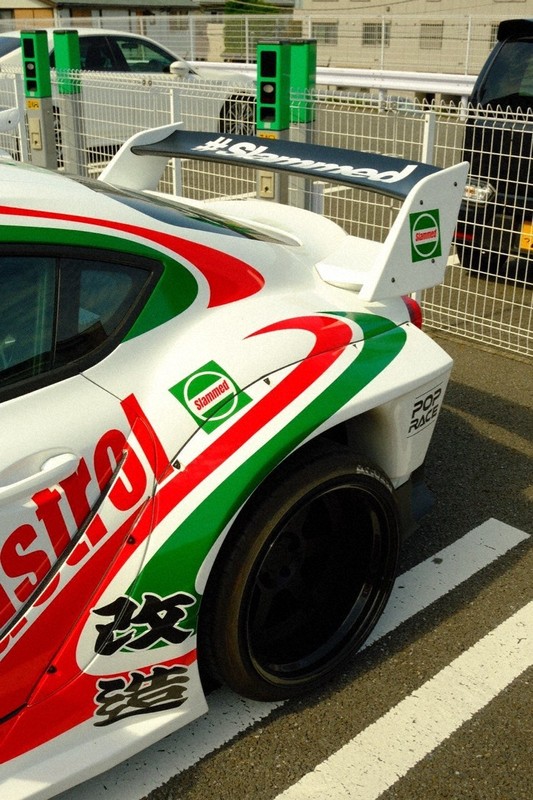
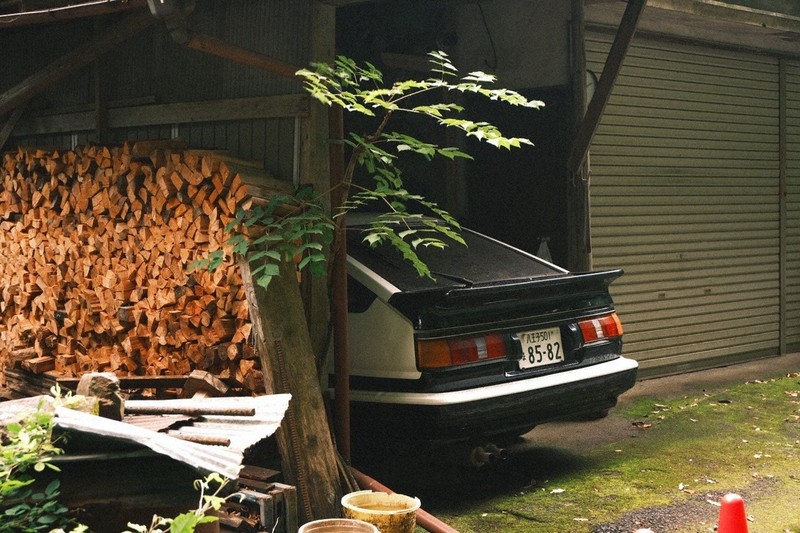
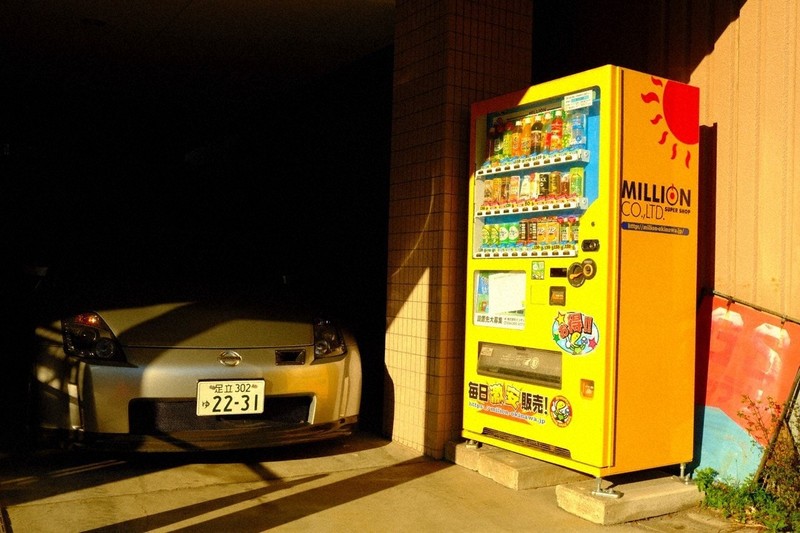
Probably coming to Japan after 5 years of studying it helped me arrive with less romanticized eyes, enabling me to look at it through a more human lens. The photos attached to this article are some of my favorites so far.
Profile
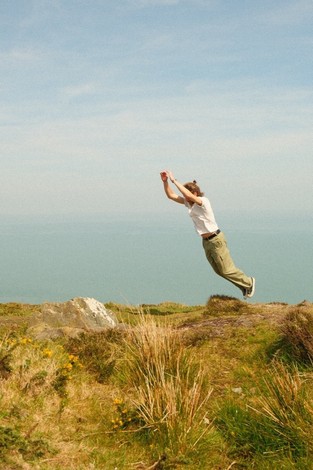
Andrea Villa, from Italy, graduated with a bachelor's degree in Foreign Languages and Literatures at the University of Bergamo, followed by a master's degree in Languages and Civilisations of East Asia and Mediterranean Africa at Ca' Foscari University of Venice. He now attends ARC Tokyo Japanese Language School in Japan's capital. In Italy, he was both a parkour practitioner and teacher. He is also a coffee and bicycle enthusiast. He plans to start his professional career after returning to Italy in September 2026.
(This is Pt. 18 of a series. Subsequent parts will be published intermittently.)
komentar
Jadi yg pertama suka

Belum Jadi Warga?
Daftar yuk!